Episode 15
Inclusive Play for Neurodivergent Kids, with The London Children's Museum
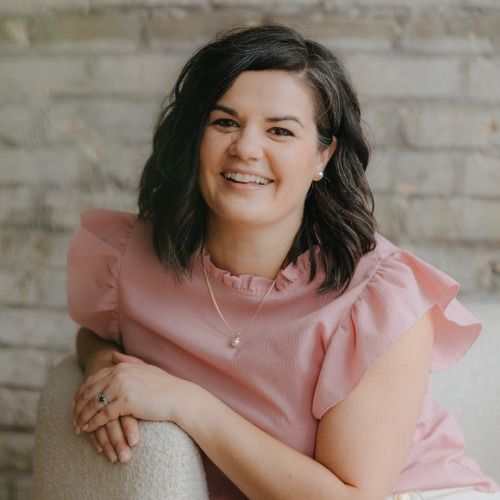
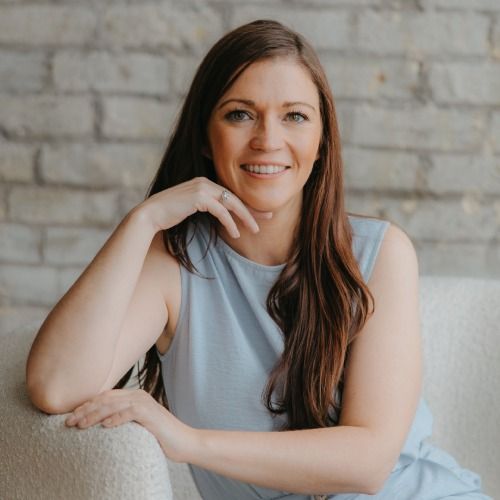
Today, we're chatting with Vanessa Eastmure & Jessie Collins from the London Children's Museum - the masterminds behind the museum's redesign, focused on making it a welcoming haven for all kids, whether neurodiverse or neurotypical.
Throughout our conversation, we explore how they've created a space that’s all about accessibility and inclusion for all families. We learn about their awesome sensory-friendly evenings, new exhibits, special events, and much more! So, grab your headphones, kick back, and let’s dive into how the London Children's Museum is making play & learning accessible for all!
Timestamps:
(01:28) - Welcome
(01:54) - Meet Vanessa & Jessie
(08:55) - Accessibility and Inclusion at the museum
(16:52) - Creating Inclusive Spaces:
(20:26) - Sensory Friendly Evenings
(27:52) - Designing for Accessibility and Predictability
(32:55) - Evaluating Community Feedback and Design Improvements
(46:21) - What To Know Before Coming
Mentioned In This Episode:
Follow the London Children's Museum on Instagram: @londonchildrensmuseum
For questions about the London Children’s Museum, reach out to info@londonchildrensmuseum.ca
Special thanks to:
Mira Noordermeer, Director of Marketing & Visitor Services
Vanessa Eastmure, Director of Exhibits and Visitor Experience
Jessie Collins, Director of Education
The London Children’s Museum was designed with all types of families in mind. For more information about their quiet rooms, free sensory-friendly evenings, adventure backpacks, sensory & visual supports and more, visit: https://www.londonchildrensmuseum.ca/accessibility
****
Visit The Sensory Supply for the best in sensory products to soothe, stimulate, and inspire.
Learn about our clinic Elemenoe where we work to reach milestones together through speech, language, behaviour & learning.
Visit neurodiversallyspeaking.com for all podcast & show info:
Follow us:
Contact:
Have a question or a topic that you'd love to hear on the show? Get in touch with us at hello@neurodiversallyspeaking.com
Transcript
And so with the neurodiverse families, you've got maybe some children with autism coming. Is there specific things that you guys are instructing your staff about or taking into consideration at the museum on those types of days?
Vanessa:So we do have sensory friendly evenings twice a month on Tuesday. So that's a free evening for families who maybe have kids on the autism spectrum or just have, like, sensory sensitivities.
Like, we dim the lights, we don't make announcements that night, and it's just fewer people. Hey, everyone.
Brittany:I'm Brittany, speech language pathologist.
Shawna:And I'm Shawna, behavior analyst.
Brittany:And we're your hosts at Neurodiversally Speaking.
Shawna:This is the podcast where we bridge the gap between research and practice, exploring autism and neurodiversity through the lens of speech and behavior.
Brittany:Whether you're a parent or a professional, we'll give you practical tips to bring into your home or your next therapy session.
Shawna:Let's get started.
Narrator:Welcome to the Neurodiversally Speaking podcast with Brittany Clark and Shawna Fleming from lmno, brought to you by the Sensory Supply. What we aim to make Neurodiversity Speaking suitable for all audiences.
Mature subject matter can sometimes be discussed, suitable only for those over the age of 18.
If you're under the age of 18, please talk to your parent or guardian before listening to our show or listen together with him to stay up to date on new episode releases and show updates. Connect with us on Instagram eurodiversityspeaking.
You can also send us listener questions to address on the show at hello@NeurodiversallySpeaking.com Neurodiversally Speaking, starts now.
Shawna:All right, welcome back to Neurodiversally Speaking, the podcast where we explore communication, neurodiversity, and what it really looks like to build environments that support inclusion. Today's episode is a special one because we're recording on location at the London Children's Museum.
And we're joined by two incredible guests who are deeply involved in shaping how families experience this space. We're here with Vanessa Eastmuir, Director of Exhibits and Visitor experience, and Jesse Collins, Director of Education.
Thank you guys both so much for joining us today.
Vanessa:Thanks for having us.
Jessie:Yeah, happy to be here.
Brittany:Yeah, we're so excited to be here.
We talk a lot on the podcast about how environments can either support or almost unintentionally create barriers for communication and regulation, especially for our neurodivergent learners and their families. And children's Museum are such an interesting Space because they're meant to be like, playful and curious and engaging.
But for some families, of course, that can be really overwhelming. So we wanted to start off by just talking about the accessibility and inclusion show up in the design.
So we are in the London Children's Museum in Ontario and we're in a new space. So we'll talk a little bit about that too and how accessibility decisions were really factored in when you guys created the new space.
But before we jump into all of that, we want to hear a little.
Shawna:Bit about each of you.
Brittany:So can you share your role at the museum and what drew you to this work? Jesse, we can start with you.
Jessie:Yeah, so I'm an Ontario certified teacher. Yeah, I started working for the London children's museum almost 18 years ago. So I started when I was in my undergrad.
I worked part time and I just really fell in love with the approach to learning and it really informed my experience of teachers college as well.
Brittany:Oh, cool.
Jessie:Yeah, so when I graduated, I stuck around and I am so glad I did because, yeah, I really get to focus on play based lear and how that impacts children in our community and also the classrooms and schools that we work with locally.
Vanessa:Right.
Shawna:Yeah, actually I wasn't thinking about that too. The collaborations with the school. Very cool.
And so did you ever teach in the classroom or you kind of stayed here and I've been really focused on education at the museum.
Jessie:Yeah, I've done both. Yeah. So I've worked here throughout, but I've also done some supply work, done a couple of LTOs.
So yeah, just like small things in the classroom and I think having both of those experiences. Experiences benefits my role here because I just get a different understanding of classroom experiences, classroom needs and things like that.
And that can help us as an organization to better meet those needs as a support agency for those classrooms.
Vanessa:Cool.
Shawna:And so as a director of education with the new redesign that you guys were working on, what was your role in that?
Jessie:Yeah, so I'm in charge of all of our school based programming. So heavily focused on programs run for a few field trips and things like that. We also do a lot of outreach into the schools.
And then I was a part of the whole design process with the rest of the staff team, so.
Shawna:Nice.
Brittany:And then what does your day look like? I'm sure it's different every day, but it is.
Jessie:That's one of the reasons I love it. Yeah. So most days I'm greeting schools on buses and then either facilitating programs for field trips or designing new programs.
I'M also in charge of our discovery Lab space here.
Vanessa:Oh, fun.
Jessie:So it's like a little maker space.
Brittany:We love it in there.
Jessie:Yeah, super fun. So sometimes working with our coordinator on programming, that's happening in there.
So, yeah, mostly curriculum connected things, supporting our general pedagogy for the overall museum experience.
Vanessa:Nice. Yeah, amazing. Cool.
Shawna:And Vanessa.
Vanessa:Yeah. So I've been here for about 10 years. I come from like a more traditional museum background. So did my master's in museum studies. Oh, wow.
Shawna:I did not know that was a thing.
Vanessa:Yeah, cool.
Shawna:Cool.
Vanessa:Library and information sciences. And I did work for a little bit in more like traditional historical museums before coming to the Children's Museum.
And I think what sort of drew me here is just like the Children's Museum's focus on our visitors first and foremost, rather than content first, which is sort of like a flipped approach to what I was used to for sure. But yeah, really love that. And then just like the joyful, like play based experience, it's such a fun place to work.
Shawna:So I love that.
And then the Director of Exhibits and Visitor experience, I imagine you must have had a big role in the redesign and sort of some of what that would look like.
Jessie:Yeah.
Brittany:So what was that process like?
Vanessa:Well, it started kind of shortly after I was hired at the Children's museum. So, like 10 years ago, we started with community consultations to sort of build out an idea of what the Children's Museum was going to be.
So what was the name of that document? The master planning Document. So we started with a master plan that was like, what are the exhibits going to be? What are they going to look like?
What will the topics be like? And then from there just getting more and more specific about the design so into like schematic designing.
So, like, we know what the topics are going to be like now. What are they going to look like? What are the bathrooms going to be like? What are the workspaces going to be like? All of those kinds of details.
And then just down the line, more and more detail as we go right up to fabrication. So cool.
Shawna:Amazing. And then before we jump into all the aspects of that, what would you say is like your thing that you're most excited about about the new museum?
Vanessa:Great question. I'm just excited about there. We did so many consultations. We talked to children, we gathered information from kids.
We had them like, draw pictures of what they imagined looking like.
Shawna:Oh, that's so fun.
Brittany:Do you have those anywhere in the museum?
Vanessa:We do, yeah. We've got them around. We can show you. And it's just. It's been incredible to see it come to life. Right.
Like, there's like actual photograph or actual, like, drawings of, like, a tree house with a slide and water exhibits and all the things that, you know, the community told us they wanted to see, like, really has come to life. Beautiful. Yeah. And it's been incredible to, you know, have people walk through the doors and just feel like, yes, this is.
This is what we talked about when we granted those consultations.
Brittany:Yeah. Like, we were part of it and we built this and it's such a community feel that way. Yeah. Amazing.
Vanessa:Yeah.
Jessie:I guess I'm kind of similar.
I think the thing that I'm most excited about is I was at our previous location and I obviously have, like, a soft spot for that location, and it's been really cool to see the things that we loved so much about that location be translated into something that better meets the needs of today's families and children.
And in my specific role, like getting to use this new space as a jumping off point for programming that's curriculum connected and exciting and something different than what students get in the classroom, I guess that kind of transition is what I'm most excited about, for sure.
Brittany:So fun.
Shawna:And so when we talk about. We talk a lot about accessibility on our podcast.
And so when you guys say accessibility and inclusion at the Children's Museum, what does that mean in practice for you guys? Or what are some of the thoughts that you guys put in when they redesign?
Vanessa:Yeah, I think at like, a really broad level, it's the sense of belonging. We want everybody to come here and feel like, yes, this is a space for me. This is a place where I belong.
You've thought of all the things that I need to be here.
In practice, I think that means children can come in and sort of have the freedom of choice to engage in the type of play that they're interested in, in the topics that they're interested in, and be sort of supported in that type of play and that type of experience that they're sort of looking for and that their caregivers have the resources that they need to make sure that their children can have that experience while they're here.
Shawna:I noticed I have two young kids that are here, so I've got a almost three year old and a five year old.
And one thing that was really helpful for us is that I could see my 5 year old over here and my 3 year old over here, and they could be doing different things and not like, oh, we all have to stay at this in the fire station right now, you know, so that was.
Brittany:Really cool for sure.
And my kids are a little bit older and right away I think we noticed how they just came in and explored like it's such a feel and touch and see and like what a cool excitement for all the senses. And then for all ages too. I was impressed that I could go up the tree house really easily. And they were like, mom, Mom.
And I thought, no, I don't really want to contort my body to get up here. And it was so easy even for an adult. And that was really nice too. Cause my youngest daughter really wanted me to go up there with her and explore it.
Shawna:Yeah. And then actually our friend's child fell and so it's easy for mama to.
Jessie:Get up and get her and stuff too.
Shawna:So in event of an emergency as well. Very accessible that way. And then one thing that you sort of mentioned I thought was nice is like you've said all types of play, right?
Not like typical play and really thinking there's, I love, there's like some really practical planting of carrots and that, like, you know, really practical stuff. Some more imaginary type play. And then also just like science exploration and stuff.
And I feel like it's been really cool this morning to try that out.
Vanessa:Yeah. When we kind of think about like, you know, so often we think in museums it's like you're gonna come here and learn about dinosaurs.
But we are looking at our exhibits much differently. Right.
Jessie:So cool.
Vanessa:We can have children come to the dinosaur exhibit and what they are interested in is that sensory experience of those sands and like getting into the dig pit and letting their feet be massaged.
And that is as valuable an experience as somebody who comes and reads the signage and shares all the information that they know about din because that's something they're really passionate in. So each area should allow for lots of different ways to engage and lots of different ways to play.
And it's important that we are seeing them sort of as a staff team as equally valuable.
Brittany:And I like also how there's no time bound rules about how long you can stay. So if that feels really good to stay in the sand pit and you want to stay there for most of.
Vanessa:The time you're here, then perfect.
Brittany:But if not, you can dabble your toes in there and then move on to the other space beside you.
Vanessa:Yeah, that's, that's great. I love when parents are like, you ask them how their visit was and they're kind of like, well, it was okay, but we didn't make it everywhere.
Brittany:Yeah.
Vanessa:That's perfect. That's an amazing visit. Think how deeply engaged they were for three hours in one area. That's awesome. Yeah.
Jessie:And it's a sign that they're following the child's lead, too. Right. Which is also valuable.
Brittany:Yeah.
Shawna:Yeah.
And then I wondered, from an education standpoint, like you said, you sort of flipping things around, finding things that are, like, of interest to people, and what do you imagine? And then what would the impact be, do you imagine, on, like, their education while they're here?
Brittany:Because it is childlike.
Jessie:Yeah. Sometimes it's like, looking at what are the things we think they might explore and how many different ways can we encourage that.
Vanessa:Right.
Jessie:Because everybody's going to engage in something different. What's beneficial to one child or one family might be different for another.
Vanessa:Right.
Shawna:Okay. Now that you're mentioning that, I can think of, like, in the exhibits, there's the opportunity to thinking of the cave.
Some of the kids were, like, climbing in the cave, and we were talking about the stalactite. And then there's, like, the buttons that you could press as well if you're interested in the rock.
So you got that cool light sensory experience as well. And then there's the digging or, like, that little pit beside it. And so there is sort of.
I see what you're saying, like, three different ways that you could sort of interact with this area of the museum.
Jessie:Yeah.
Shawna:Depending on your preferences and what you want to do.
Jessie:Yeah, I see that even in my own kids. Like, my oldest loves the microscope. We have a digital microscope down there. She loves looking at that.
She's not always looking at the fossils, though. The first thing she actually looked at was her fingers and underneath her nails.
Brittany:Right.
Jessie:She's like, I never get to see it that close. Right. Whereas my other one is usually in the dig pit and more like sensory experience that way. So.
Shawna:Yeah. Very cool. Okay.
Brittany:I love it.
Shawna:And then how do you balance, like, play and exploration with inclusion and fun and make sure, sort of everyone's able to have fun here? Like, what are some of those process or thoughts that you guys put in with the design?
Vanessa:Yeah.
I think a lot of that comes from sort of building a practice of observation and looking at the way people are engaging with things and sort of, like, what type of play are they engaging in? And is there space for that here? Is there space for everybody to join in?
Sometimes that means, like, we might be seeing children wanting to climb on that cow and that Cow's just not built to climb on. So it's saying like, oh, hey, I see you want to climb. I know a really awesome spot in the caves where you can do that.
So having the opportunity for having our staff team kind of understand all the different ways there are to engage here and what different types of play look like and where we can offer those so that it's, you know, safe and inclusive and celebrated for everyone.
Shawna:And it sounds like you've trained your staff as well. Right. I love that. Like, you weren't just like, no climbing, no climbing, no climbing.
You're redirecting much better strategy with children than just, no, no, no, here's what you can do and here's where you can do it safely. And that's got to be such a key piece to keep the museum flowing.
Jessie:Well, yeah, absolutely.
Brittany:I've noticed that the staff are incredibly present and you can see them getting curious and observing how can I support this family or how can I support this child? And I've noticed that right away that everyone is very, very observant and supportive. And if you ask anyone a question, they're just so friendly.
We did ask about some of the accessibility options at the front desk when we came and right from the beginning, just so warm and friendly and showed us some of the sensory bags and the tools and the quiet, quiet space.
So just love it that everyone has that mindset coming right from the beginning that this is going to be for you and it's that belonging that you talked about that no matter how you want to play and what it looks like, you're, you are welcome here.
Jessie:I'm so glad to hear that.
Brittany:Yeah, yeah.
Vanessa:And really, like, we know that our visitors are coming here. They don't know what's available necessarily. So that that observation piece is really important.
So if you're like watching somebody walk through the museum on a really busy day and their child sort of covering their ears, they don't know that we have accessibility bags at the front desk and we can offer some noise canceling headphones. So it's the opportunity to just see what's happening and how can we support.
Shawna:Yeah, I love that. And that's what families need too, Right.
Even like, my kids are not neurodiverse, but sometimes you feel like judged, you know, especially a parent of young children. And so I love that idea of you guys coming in and training your staff. Right.
Observe first, see sort of what the patterns are and then looking for ways to be supportive, not judgmental, which is obviously a key thing. At a. A children's museum?
Brittany:Yeah.
Vanessa:Yeah. And those are supports that can be offered to everybody and are beneficial to everybody.
Brittany:Right.
Vanessa:So, yeah.
Shawna:Amazing.
And were there moments when you guys were thinking about accessibility that really pushed your thinking in this redesign where you're like, oh, hadn't really thought about that. We should consider it.
Vanessa:Yeah.
I think what was really interesting when we talked to people about accessibility in our space, what came up most often was people talking about sort of the auxiliary spaces or the things like a quiet room or what do your washrooms look like? Are you gonna have adult accessible change tables?
Shawna:Yes.
Vanessa:Are there bathrooms with sinks? Like.
Brittany:Yes.
Vanessa:All of the.
Sort of, like, the spaces in and around the exhibit and how those can support people in play and, like, offer a break if you need it, or are there spots that are a little bit quieter? Are there spots for somebody to sit and read a book and sort of just regroup?
So, yeah, I found it interesting when we were talking to people how much the sort of, like, support around the exhibits could really make or break a successful visit.
Brittany:Yeah, it's interesting.
Shawna:I wouldn't have thought of. Or like, I know those things are important, but it probably wouldn't have been top of mind.
When you're thinking of a redesign of a museum, you're thinking of a cool water exhibit or the very cool star show that you have. And not necessarily, but those are key things. Right. That make or break a visit.
And I did notice there is very accessible bathrooms, which, again, as a parent of young children, really appreciate it. Easy to get to. And then they're, like, bright as well.
Vanessa:Yes.
Shawna:What are some of the sensory supports you mentioned? There's a quiet room.
Vanessa:Yes.
Shawna:And what's in. We didn't. I think you were gonna go access, but it was busy at the time today, so we actually haven't seen it ourselves.
Vanessa:Yeah. So there's a couple rooms.
There's a quiet room that has, like, a nugget sort of style couch and a chair and just some, like, books and fidget toys, a visual timer. There's like, also a second room which is. We call it the infant care room, but again, it's for anybody that needs a qu.
Space that also has, like, a sink and a microwave and some of those things as well.
Brittany:Well. And even the hallway to the quiet room gets quieter as you go. I noticed.
Shawna:So even though I couldn't intentionally. Yeah, exactly.
Brittany:Like, you kind of close the door and it's right by the water station here. And you think, okay, this is a really loud kind of Busy environment.
And then instantly you go down the hallway and it's like, oh, it just feels calmer. And there's really nothing on the walls there, too. So it's like sensory kind of coming down.
Vanessa:Nice.
Brittany:Yeah, yeah. And so you talked about consulting families and children, and all of that part.
Were there specifically neurodivergent families or children consulted and thinking about that part?
Jessie:Yeah, we also.
So we worked with children and families from many different backgrounds, and we also consulted with community organizations that support those families as well.
Vanessa:Nice.
Jessie:So I feel like we learned a lot from them, you know, tips and things that maybe we wouldn't necessarily have thought of without that support and that input.
Vanessa:Yeah.
Shawna:And then is the consultation like. Like a focus group having. Do you send out surveys? I think you mentioned drawings. All those things.
Vanessa:Yeah, all of those things.
The really sort of incredible thing about being part of an organization that has such a long history in a city and people feel really passionately about it, is that when we say, hey, we're looking for feedback, you get a lot of feedback. So it was everything from just conversations. People reached out to us directly, and we just sat and chatted.
We did sort of dream camps with community groups where they would come in and be led through a series of activities. We had stations set up for a really long time, just asking for children. Like, what do you imagine? Like, what's in your city?
Brittany:Like, what.
Vanessa:What is important in your town to help us determine what would be in the community? Roots houses or what is a tree house to you? What does a tree house look like?
So, yeah, those came back in drawings and then definitely lots and lots of surveys, some focus groups.
Shawna:And so with the neurodiverse families, what are some of the things? Or when you have neurodiverse visitors, maybe on your school visits, you know, ahead of time, you've got maybe some children with autism coming.
Is there specific things that you guys are instructing your staff about or specific, I don't know, anything you're taking into consideration at the museum on those types of days, or is it more of a general philosophy? Every day we're just, like, prepared to support kind of whoever's coming in?
Vanessa:Yeah, I mean, both.
Shawna:Both.
Vanessa:So we do have sensory friendly evenings twice a month on Tuesday. So that's a free evening for families who maybe have kids on the autism spectrum or just have, like, sensory sensitive sensitivities.
So, like, we dim the lights. We don't make announcements that night. And it's just like, fewer people. Yeah. Quite a capacity limit.
Brittany:Yeah.
Vanessa:Okay.
So yeah, for our staff team on that night, they're, they're not not doing anything different necessarily because just like we always do, we welcome all types of play and they are ready to receive and welcome all types of play.
We do talk a little bit about, you know, we've dim the lights, but that doesn't mean that the kids who are coming in are going to be calm, like they're going to be excited. Sometimes it's really loud and there's like these big joyful vocalizations and it can look like lots of different things.
And we support that in however many sense. And those families.
Jessie:Yeah, those sensory friendly evenings are free admission as well. So you register ahead of time. It's free admission. It's.
It's also a nice time for families to kind of have a common understanding with the other visitors. Yeah, it's. The vibe is just different than our regular admission times and it's. Yeah, our visitors. I don't know that I'm vocalizing this.
Well, no, I think what you're sort.
Brittany:Of saying is like you're building a community too. So when people come in, they feel like I'm not only supported by this place.
Vanessa:Right.
Brittany:But I feel really supported by the people I might meet and interact with. And there's like a common understanding maybe that like we're all here for just like supporting each other maybe.
Vanessa:Yes, yes.
Jessie:Thank you for articulating.
Brittany:That's really neat. And so you talked about some of the differences on the quieter night. It's called, what is it called?
Jessie:Sensory Friendly.
Brittany:Sensory friendly. And it's Tuesdays, right?
Vanessa:Yeah, two Tuesdays a month.
Brittany:Cool. So on Tuesdays you come and the lights are dimmed and then there's a cap on the number of people here.
Are there any other differences on that night that you from say today where it's a busier day?
Vanessa:Yeah. So quieter music. We're not making announcements overhead.
So when there's star shows, we're just chatting with families and saying hey, you can come and join us at whatever time if you'd like to.
Brittany:I see.
Vanessa:We will also set up some additional activities.
So in the annex space which is sort of like our multi purpose area, we might set up like mats and areas for like big body movements or bug balls or like soft blocks that you can set up and crash sensory bins and just like little smaller play areas where people can kind of settle in a little bit.
Jessie:Yeah, we run programs in Discovery Lab those evenings also. And in Discovery Lab we have materials in there that are things like Loop scissors and stuff like that.
Those are always out and accessible in Discovery Lab when we need scissors. So, yeah, things like that.
We'll offer programming that's similar to what we're doing when we're open to the general public on regular admission hours.
Brittany:I noticed the thoughtfulness around the creativity lab where they're sort of saying, you've got five more minutes to play and then we're gonna do a reset. And they talked about how we were gonna kind of declutter the space again.
So that seemed very thoughtful around keeping everything a little bit organized and decluttered so that the, even the creativity that where lots can happen, it's gonna get reset so that it's not too overwhelming.
Shawna:Was that thoughtfully another like sort of little piece that makes a big difference, I think.
Vanessa:Yeah, yeah.
Jessie:The space can't be accessible if we can't find the materials we're looking for. Right. So while we want, yeah, we want to balance the kind of fun chaos that is the like creation process. Right.
Balance that with still being able to find what you need and having physical space to use to create whatever it is that you're working on.
Vanessa:Yeah.
Shawna:And I did notice that sort of throughout the museum there's all this novelty and like really cool experiences. But then it's predictable too. Right. I kind of know what to expect here.
And then like giving those warnings, you know, okay, I know I got five more minutes here and then things are gonna change. And then same with the play. There's like this little, like I said, that carrot planting area my son really liked. And so we're planting carrots here.
But then I also see the corn. I could sort of infer what I should do with what I could do with this corn.
But then another child was just bringing them from one spot to a different spot and playing totally different. And so there's like this novelty.
But then if you like predictability or benefit from that, the areas are also quite predictable about what you could do here. And that seemed again like quite thoughtfully designed on your guys end.
Vanessa:Absolutely. And we have so many members and so many repeat visitors.
And that sense of predictability and knowing what you get to do when you come to the museum is really, really important. But it also can change from time to time. Right. Like some of the exhibits, like in branching out, that V bridge can be pretty scary.
So that can be, you know, something you don't usually do. But maybe after your fifth visit you sort of work your way up to crossing.
So yeah, there's things that you can do Every time there's things that maybe you need some time to work up to, and then. Yeah. Things can change and shift and are open ended. So there's something sort of novel every time you come as well.
Jessie:Yeah. The programs also offer like a space for us to insert some more novelty. So the exhibits, a lot of them, we have some pieces that we can change out.
Narrator:Right.
Jessie:But the larger structures are going to stay consistent and predictable. And then we can add in different. How do I say that? Manipulatives, I guess we call them consumables. But you're not actually like consuming them. Yeah.
Things that move around in the space, those are the things that we can change.
Where it's like this, the environment is still predictable, but we're adding in some novelty with new materials or with a staff member hosting something in that space to kind of.
Brittany:Yeah.
Jessie:Balance that predictability with some novelty too.
Shawna:And so from a big picture, when you guys think about the museum, you have like your station, but these consumables are things that you guys rotate in and out, Is that right? Yeah.
Vanessa:So we can change costumes, we can change the food, we can update the menus in the cafe. Cool. All of that kind of stuff. And then there's the whole other. Yeah. As Jesse was saying, the layer of programmatic things that we can do.
So we'll run like a steam program where somebody will go into an exhibit and they'll bring extra things that you can experiment with and explore, you know, you know, stomp rockets in space and that kind of thing. So. So it's both novelty and then an opportunity to learn a little bit of content maybe about something specific that you might be interested in. Cool.
Shawna:Yeah. That's an interesting way to think of the museum, like from a big picture.
And then you sort of put things into these buckets, make less changes, obviously, to those bigger things. And then again, if I'm a family coming here and I come every other Tuesday, then I know what to expect. Right.
I know that there's going to be these community places, but maybe the menu has changed and that's cool for me. Keeps it novel. Very cool.
Vanessa:I was thinking about what you just.
Brittany:Said there about I sort of know what to expect. Is there anything like, if I'm a mom of a neurodivergent family, could I go anywhere and see what the different parts are like?
Is there sort of like a visual map of what's here?
Jessie:Yeah.
So we're currently working with some placement students from Western's occupational therapy course, and they are working on our new updated social story. Oh, cool. Yeah. So at our old location, we had a social story that was a book that you could have. And so we're working on an updated one for.
For this space. But right now, we do have pictures of the exhibits on the website, things like that.
There's a video on our social media of entering the building, stuff like that, where families can still access some of those resources to get an idea while we're still in the process of creating that or recreating that social story.
Shawna:Nice.
Brittany:Cool.
Shawna:And then right at check in, like you said, there's the sensory kits available. What's in those?
Jessie:Yeah, so they have a bunch of different resources. There's a set of headphones in them. They have timers in them. There's fidgets in them.
We also have weighted stuffed animals that you can rent at the front.
Vanessa:Oh, okay, cool.
Jessie:Yeah, so different supports that could help. That's also something that the occupational therapy therapy students are. Are helping us with to look at.
If there's anything else that we could add in that would be helpful.
Vanessa:Oh, cool.
Jessie:Into those adventure backpacks.
Brittany:Nice.
Shawna:Amazing. And is that something new, or did you offer this at the old museum as well?
Jessie:Yes, we offered the adventure backpacks at the previous location as well as we had the social story as well. And I believe the social stories were also in those adventure backpacks. So once we. Yeah. Get further down that process.
Vanessa:Yeah.
Brittany:Wonderful.
Shawna:What do you think the biggest difference is that families might notice from your old location to this new one? And other than obviously, everything's, like, fresh.
Vanessa:Brand new. Yeah, I think, like, outside of the. Like, the exhibits are obviously all brand new.
They're all very updated, which was, you know, part of the reason we were coming here.
But I do think, as we sort of talked about before, some more intentionality around the things like the quiet rooms and the washrooms and sort of the supporting spaces, we just didn't have. Have the ability to offer quite as much or as, like, intentionally designed at our old location. So that's sort of one of the key differences.
I also think having it all sort of on one floor, plus the mezzanine is quite a bit different. So it used to be really chopped up over three levels.
Shawna:Right, right. Okay. Yeah, that would make a big difference, I feel like. So families that maybe went to only the old museum and maybe struggle old. Right.
The going up and down the stairs was tricky. Or the bathrooms weren't as accessible. You're saying come and try out the new one. We've put a lot of thought into how it's designed.
And I can certainly say it's, like, very open. And you can. Like I said, you can kind of see all the.
Not all the way through, but almost all the way through the museum and kind of keep an eye on your kids. And then there's only one exit or entrance, and which is also easy. Then as a parent, you're like, okay, you can't really be anywhere else. Adults.
Vanessa:Yeah, I like that.
Shawna:Also thoughtfully designed, I imagine, and like I said, really nice. As a parent of young children. I know I was. They were playing in that treehouse area. I'm just standing by the door. So there's, like, nowhere.
Or by the front entrance there. So they can't go anywhere else.
Brittany:And there's enough space if I have a stroller or if someone's in a wheelchair. You don't feel confined at all. Which I imagine is also a little bit different from the previous space.
And so the stairs are all being on one level is one thing. But then just the ability to move through this space.
Vanessa:Yeah.
Wide corridors and just knowing that, you know, people are going to be moving through with wheelchairs or strollers and wagons and how are people going to. Yeah. Use this space we talked a lot about. But yeah, we, like, obviously, we're still learning.
There's, you know, we put lots of thought, but we, you know, it's loud here sometimes. That's the headphones that we're offering at the desk. So we're always open to finding new ways to make it feel better.
So we're looking at more acoustic paneling. Still sending out surveys on sensory friendly evenings. And anytime, really, you can fill out a survey.
We love to hear the feedback because, you know, we are. It's a new space. And.
Shawna:Yeah, I mean, that's what I was actually going to ask you guys next is like, you've obviously put a lot of thought into the design, but then now you've got to be sort of in an evaluation phase. Like, how do I know if this design was right? And what's the process for that? And how does it feel like? Does it feel like, okay, we're.
Vanessa:We've got this.
Shawna:Let's tweak this. What's it like for you guys?
Jessie:Yeah, it's an iterative process.
Shawna:Yeah.
Jessie:Like always looking for feedback because everybody's going to experience the space differently. Right. Through their own lens, their own experiences. And so we put a lot of emphasis on.
On observing and then also having surveys from sensory friendly evenings from general admission. Like, every aspect of our operation, we encourage feedback from because that's how we're going to learn about how to serve our community better.
Vanessa:Right. We just wrapped up some community consultations for a new strategic plan.
So we just gathered quite a bit of information about, you know, what do you think of the new space? Where can we go?
And I think sort of as a staff team, what felt good to us is that some of the things that were flagged, like sometimes it's noisy, are stuff that we were also observing ourselves and working on, taking steps forward to mitigate.
Brittany:So.
Vanessa:Yeah. And like, the things that we're really proud of. It seems like the community is really excited about some of the things you commented on.
We hear so much about the staff team and how hard they're working. So, yeah, it's been lots of great feedback.
Shawna:Yeah.
Vanessa:Yeah, that's awesome.
Shawna:And then how do you guys know that you're getting varied feedback? Like, how do you make sure that you're getting from families of autistic children or from adults with autism, et cetera? Like, how do you.
Or clinicians or, I don't know who else are you guys consulting with? But how do you make sure it's like, not just, I don't know, the same type of people responding.
Vanessa:So making sure we're doing those, like, targeted surveys. So if you attended a sensory friendly night, we're sending a specific survey to you.
If you were here for a birthday party, we're sending a specific survey to you. If you were here for day camp, we're sending specific. So we are sort of like honing in on who was here for which event.
Shawna:Right. And then people that are actually here and experiencing it.
Vanessa:Yeah. And so much comes from our conversations with visitors and just asking the questions. And, you know, what works well for you?
Jessie:What are.
Vanessa:What are the needs of your particular family? And yeah, yeah.
Jessie:I think our community partnerships also play a big role in that, making sure that we are maintaining those relationships with community organizations who can provide us a different perspective or maybe speak about their own experiences coming here with some of their clients. Even we do have free admission for those with or without access to cards for support workers.
So if you're bringing a child and you're one of the support workers, you can come in for your free admission. And I think that those partnerships with those community organizations can really inform things as well.
And I know we saw that come up when we were doing the master planning for this building, for sure.
Brittany:You mentioned birthday parties. I wanted to circle back to that. What about neurodivergent families inquiring about birthdays, how would you. Because birthday parties can be a very.
Also a sensory kind of overload experience for kids. A lot of the places families might go are just sort of wild and crazy. So if I was looking for something like that.
Can you tell us a little bit more about your birthday parties?
Vanessa:Yeah, for sure. So we offer birthday parties on the weekend, weekends and Friday evenings.
And what's sort of nice about a birthday party package is that it can be sort of smaller and your programming can be delivered directly to that smaller group of people.
So the birthday party package comes with access to a flex room for three hours as well as a party host who was there to help guide your party through whatever it is. And it's their theme.
So you can have like a dinosaur themed birthday party birthday party and you get, get a private star show or you get a private fossil show. Nice.
And then the opportunity to kind of like let the birthday child lead the way to be out in the exhibits or not in the exhibits and just like playing with your small group in.
Brittany:That space that sounds incredibly inclusive and like focused on that belonging and getting curious. Like, let's follow your lead here.
Vanessa:It's beautiful.
Shawna:How do you guys support the staff to be like sort of flexible and encouraging and because they're probably young people often that end up in these roles that maybe don't have a lot of experience with children, never mind maybe children that are neurodivergent.
Vanessa:Yeah. So we do it in lots of different ways.
Like you're right, a lot of our staff team is quite young and everybody who comes on board, whether it's like part time staff, custodians, full time staff, we talk a lot about just our approach to learning and our pedagogy in general.
So everybody sort of understands there are lots of different ways to play and we welcome all of those different types of play and we talk about what those different types of play look like and how we can support it.
So we're sort of giving the staff team all of that information at the get go as well as giving the staff team all of the information about what we can offer. Like they need to know what resources we have so that they can offer them to our visitors.
And then as you mentioned before, we also really talk about this practice of observation and responsibility, responsiveness. So we want to be responding to the people that we see in front of us. Right. So we could have a staff member who's doing a STEAM program.
And the point of that program might be Like, I think there's a blueprinting one that's happening today. And sort of the idea is that you can design something on paper and then like create that in 3D.
But not everybody wants to interact with that program in that same way.
And so our staff team knows that if somebody comes up and they are really just into, you know, coloring on that carbon paper and seeing how it like makes too.
I think somebody yesterday was just really into the fact that they could draw a picture together and then separate the pages and they could each take one home.
Brittany:Yeah.
Vanessa:Or that paper's kind of like, it's got a cool sound so somebody might want to come and just like interact with what the paper looks like. And that's a great way for them to engage in that activity as well.
So, like, our staff team know that just because the content of this is about building and designing doesn't mean that it's the only way to engage in these materials and in this play. And that how you are responding to the person in front of you is the right way.
So what they're interested in is what you can focus on and there's no need to try and force something that's not really right.
Shawna:And then do you guys have like staff meetings? Is this just part of their onboarding? And then they're sort of left to fly in the museum.
How do you make sure and like sort of keep following up and sending that message?
Vanessa:Yeah, I mean, I've had staff ask me before, like, oh, how long? Like, when will I be fully trained? And like, really, it's never as long as you're here.
Like, we are sort of like, we look at our staff team as like a community of learners. Right. So it's a safe space to ask questions. You don't always know all of the answers.
We can talk about experience we've had, what works, what doesn't work. So yeah, we, we have regular staff meetings, we have regular check ins.
We do a huddle every morning to talk about sort of what's going on, you know, share thoughts and ideas.
Jessie:Yeah, and I think too, like our staff team also has a range of experiences themselves. We have, I'm not the only Ontario certified teacher that we have on staff.
And so I also think in our meetings, like, it's really important for us to learn from each other and strategies we've used that have worked or. Yeah. Different tips that people have. We do end of day emails where it's like, here's what worked well today, here's something we tried.
Brittany:Cool.
Jessie:And, yeah.
So encouraging that, like, reciprocal learning between us and the visitors, but also between our staff members who have varied experiences themselves.
Vanessa:Right.
Shawna:So cool. And then can you think of a time where you're like, this is not working, or this.
I don't know if it's an exhibit or some sort of value that you're trying to live out or something where you're like, yeah, I think we. We should shift from this. And what do you do?
Vanessa:So in the original design of Branching out, and when we first opened, we had ropes draped, sort of creating swings at different levels. So they were almost, like, reminiscent of vines, where you could, like, climb on them, you could swing on them.
But we learned pretty quickly that putting swings right into a major thoroughfare.
Jessie:Just.
Vanessa:Wasn'T going to work work. So we did. We tried a few approaches. We gave the staff, like, some key messages like, oh, you know, let's watch out for our friends who are.
And it's just. It's so. It's so hard to control yourself when you're swinging.
Shawna:Yeah, yeah, yeah.
Vanessa:Ultimately, that is something that we just.
Shawna:Had to just get rid of. We just replaced with something else.
Vanessa:Yeah, we had to pull that out. And like, that's okay when that happens.
Shawna:Like, yeah, yeah, yeah. Ahead of time. Sounds super cool and sounds really fun, but of course, like, not everything's going to be a success.
Vanessa:Yes. Another thing that, when we first opened the slide and Branching out is quite dark. It's a tube slide, and it's a little bit scary.
And what we ended up doing to modify that is just drill holes kind of in the shape of constellations in it. So if you, like, go into the slide, you can see sort of light filtering down from above in the shape of stars.
And it was, like, enough to make kids feel comfortable to be able to use that slide.
Shawna:And, yeah, that's a thoughtful redesign and sort of simple. Imagine simpler than the swing fix, whatever you guys did there. Did you just put a new exhibit in? Is that what you do?
Vanessa:No, we just took them out.
Shawna:Throughout the. The museum. Do you have, like, visual supports, sort of any. I. I saw a schedule for sure for the Star show.
I think everything else is sort of free entry, but any sort of others, strategies or visuals that are available in the museum or that are thoughtfully placed around?
Jessie:Yeah, like, all of our exhibits were designed to be low text. Not no text, but low text. And so you'll see things pop up in some of the exhibits where the text is paired with images.
So a good example of that is in the Grocery store. There's little grocery list that you can pick up next to where the little baskets are. And so those have a picture of bananas and then bananas on it.
So that's one place where that kind of marriage between text and pictures is coming up.
Vanessa:Nice.
Shawna:Cool. Yeah.
Brittany:I've noticed that even with the signage for the bathroom, that the font is very clean and clear and easy to read. And then there's a visual right beside too, of the. Whatever the thing is, like, whether it's a bathroom or the quiet room or something.
So the visuals there are really nice. And then we did talk a little bit about the physical accessibility part.
Like, we're all on one level, and, you know, whether you're in a wheelchair or you have a stroller. And we're always thinking about the sort of ramps for accessibility, for mobility. But what about communication ramps? And so visuals are part of that.
But are there any other thoughtful things that either the staff are trained or materials available for, like a. If someone has a communication difference?
Vanessa:Yeah, so, like, we don't have, like, a specific board or something.
Brittany:Yeah, yeah.
Vanessa:So much of what we do here is it's not really, like, sit and listen or, like, stand here and read.
Brittany:Right, True. Yeah.
Vanessa:When we're delivering something, like a fossil show, for example, like, that's. We're delivering information, so we're chatting with people, but there's also the opportunity to handle the artifacts.
You get to hold a dinosaur bone, and we pair that with picture books so you can take a look at the bone that you're holding and point to the dinosaur to see where on the face that might be. Or, like, sometimes their teeth. And, like, we have teeth. And so we're communicating not just.
Just through, you know, verbal cues, but also just our body language and pointing and chatting. And there's lots of different reasons to do that. Right. Like, not everybody has English as their first language. There's lots of really little ones.
Sometimes. Yeah, we just don't want to chat with people we don't know.
Brittany:Yeah, exactly.
Vanessa:Exactly.
Jessie:And I find too, like, our staff are really good when they're resetting our exhibits, so maybe putting some materials back. Sometimes it can be as simple as just like handing a child something that might.
Might be useful to them in that moment, rather than putting it on the counter right next to where they are. So, like, if they're playing in the ice cream shop and I'm putting away ice cream, sometimes I'll make an ice cream cone and hand it to somebody.
It doesn't require me to Necessarily say anything or have any kind of like reciprocal verbal exchange. But it is a way of communicating and a way of engaging and interacting in the play.
That's not maybe as disruptive as fully saying can I order something?
Brittany:Yeah, right. Very cool.
I noticed in the creator space, again back to that one when we came in, there was an activity, very simple, where you could make loops with a straw and then throw it into the air sort of thing. And I noticed right away how accessible the communication was of those instructions. So very, very simple.
You know, fold here, cut here and then with little pictures. And so I thought even that was really thoughtfully done following those instructions.
But then when we got the instructions verbally from the staff member, she said, you can, can take this and follow those instructions. Or there's also a space here where you can just color. So it's like follow this, you know, a little bit more complicated part.
Or if you want to just be in the space, you can do that too. And I thought that was really thoughtful. Around the accessibility.
Vanessa:Yeah, yeah.
Jessie:Choice is such a huge part of accessibility in our space for sure.
Vanessa:And it's nice when we have activities that are really easy in terms of entry, so anybody can sort of participate in doing it, but then are open ended materials that you can sort of like make more complicated or build more extreme versions or test and try. So you have a range of children and different ages that want to experiment in different ways and yeah, it's like low bar high.
Brittany:Yeah, I love that. So cool. So many different ways to play.
Shawna:Yeah, exactly. How can. If I am a family and I want to come and I want to prepare for my visit, maybe I've got child with high sensory needs or a neurodiverse child.
What should they know before they come?
Jessie:There is a ton of resources on our website. I would encourage you to go on the website under the FAQ section there's a whole section about accessibility.
Vanessa:Oh great.
Jessie:So that's like. That's the link that I sent to all the teachers who are booking field trips. For example, check this out.
It tells you everything about where you can eat, what accessibility resources are available to you. There's notes about the adventure, backpack, sensory friendly evenings. All of that is on the website and so is booking admission.
So if you're looking to come for sensory friendly evening. Right.
You're definitely going to want to register ahead of time and then hopefully shortly, once we've wrapped up the partnership for the social story, that'll be up there as well and will really help with. Yeah, getting familiar with the space without actually entering the space yet.
Vanessa:Right.
Brittany:Cool. Yeah.
Vanessa:And if you like, if there are really specific things that you're looking for, our visitor services services team is always happy to chat through what the best. Like, if, you know, you want to be here when it's quiet, we can talk to you about maybe the best times to come.
Shawna:Oh, perfect.
Vanessa:What's available on specific days?
Brittany:Yeah.
Jessie:And even things as simple as, like, what else is in our building. Because we're. It's like, we're not the only organization in this building. And so things like where can we eat lunch?
Stuff like that is all things that the visitors experience team, whether that's visitor services or the on the floor staff, they can all support that.
Brittany:Amazing.
Vanessa:Perfect.
Shawna:And so if they have questions, you're saying kind of check out the website first and then call us. And our visitor team is like, happy to help guide you.
And we found the visitor team when we came as well, like, quite knowledgeable in person to answer questions and wasn't like super busy or anything.
They certainly weren't like, pushing us along, you know, so really took the time to answer our questions and showed all the kids all the different stamps they could choose. Actually, even that was so sweet. Right. Right from the get go, there's three different stamps.
Brittany:Right.
Shawna:You're not forced. The dinosaur stamp. If you want a space stamp, it's there for you. If you want a butterfly, it's there for you.
So really that choice, right from that very first experience. And then my kids loved it because they could do the stamps themselves too, which almost never happens at a museum. Right.
Usually they give you your stamp or your wrist brand or whatever. And so that was like, also just like, so cool. Just right from the beginning.
Brittany:And actually at entry, the staff mentioned that in and out nature of that and the design and the int. Intentionality of the stamps so that you could go for lunch and then come back.
And then she was talking about how for local families, if it means I want to come for an hour, go home and have my nap if I have a young family or whatever, and then I could come back, I thought that was really nice and accessible so that you feel safe to just kind of come and go as you wish. It was amazing.
Shawna:What would you say to families who might think, like, oh, gosh, I can't bring my child here. They will not fit in?
Vanessa:Oh, well, I would say, yes, they will.
Brittany:Yes. And I agree.
Vanessa:Give me the details of why they. Why you're feeling that way. And I'm sure that we can find an experience or a time for you to come that's going to work.
Shawna:Yeah. You can see like just how thoughtful you guys have been and the observation. I think the power of observation really comes through.
Vanessa:Yeah. And like, truly, if there are people who feel like they don't belong here, we would love to hear why.
And if there are things that we could do to make you feel like you do belong, wonderful.
Shawna:What do you think, like other museums or public spaces could sort of learn from your guys, redesign in this new space?
Vanessa:I think there's so few places where children have the freedom of choice. Yes. To engage in things the way that they want to in a way that like we all accept them to be doing that.
So anytime there is an opportunity to provide some choice to children, it makes sort of like, it makes all of the difference because, you know, those differences kind of fall away. Right.
Like we could have two children walk through the door who are super passionate about dinosaurs and they want to sit and talk to you about dinosaurs all day. And that's awesome. And we can do that.
And one of those child children might be neurodiverse and one may not be, but like in that moment it doesn't matter. They're just two children who are interested in talking about dinosaurs. And when you have that choice, you get to just be who you want to be.
Jessie:Yeah. And I think like the intentionality behind the physical build of the space too is something that you don't often see in public spaces.
Things like counter heights that are, that are like appropriate for children. So if you look at our front desk, you'll see that there's like the adult level height and then there's lower counters as well.
Shows up in our bathrooms, even with the small toilet and the regular sized toilets, things like that, like not having to, to get a stool to wash your hands. Things like that. Where we've intentionally made it accessible for families. I think that's something that is more rare in the general community. Right.
Shawna:For sure. I was just thinking this morning, My son, my 3 year old, he was like, where are we going today? And I said, oh, we're going to a children's museum.
And he looked at me and said, okay, are you gonna go to the grown ups museum? And I thought this, there's a grown up museum too.
Brittany:It was so fun.
Shawna:And we've had a lot of fun as well. And I know my boys have just.
Vanessa:Had so much fun here.
Brittany:So it's incredible. I can't wait to check out more now that we've chatted about so many things. I'll be looking at everything with a different lens.
Yeah, we've enjoyed the few hours already and I think we could spend so much more time here and certainly come back and see what changes and what things are we can experience again.
Shawna:Yeah.
Do you guys have any sort of takeaway thoughts or any wrapping up thing that you would say to our listeners who are either working with neurodiverse individuals.
Vanessa:Or are probably a parent to one?
Jessie:I think it's just that we would want to communicate that everybody belongs here, that we want everybody to share in the inherent joy of play in our space and that, yeah, it's really for everybody. And so we hope that everybody comes and. And experiences the building and the community that we're building in this building.
Shawna:Yeah. I really feel like the sense of community came across today. Your idea of sort of sitting back and observing.
You're constantly sort of, it sounds like anyways, looking for that feedback and looking for your community to say, hey, we love this. Hey, we'd like for this to change. Or I wish there was this thing in my sensory toolkit and really learning from the people that you're serving or.
Which is amazing.
Vanessa:Yeah, absolutely. Come play with us.
Shawna:Yeah.
Brittany:I love it.
Shawna:Love it.
Vanessa:Perfect.
Shawna:Thanks so much for joining us today, Jesse and Vanessa, and we're looking forward to exploring the museum some more.
Brittany:Thank you so much. This was amazing.
Jessie:Yay.
Shawna:We did it.
Vanessa:All right.
Brittany:Before we go, we want to remind our listeners the topics we discuss in the podcast are not a replacement for professional medical advice. Please contact a professional if you have questions.
Shawna:And just a heads up, we'll use both identity first and person first language to respect different preferences. We'll also see treatment and therapy since we come from a clinical space, but always with respect and a focus on what works for each person.
See you next time. Bye.